RSC Case Packers

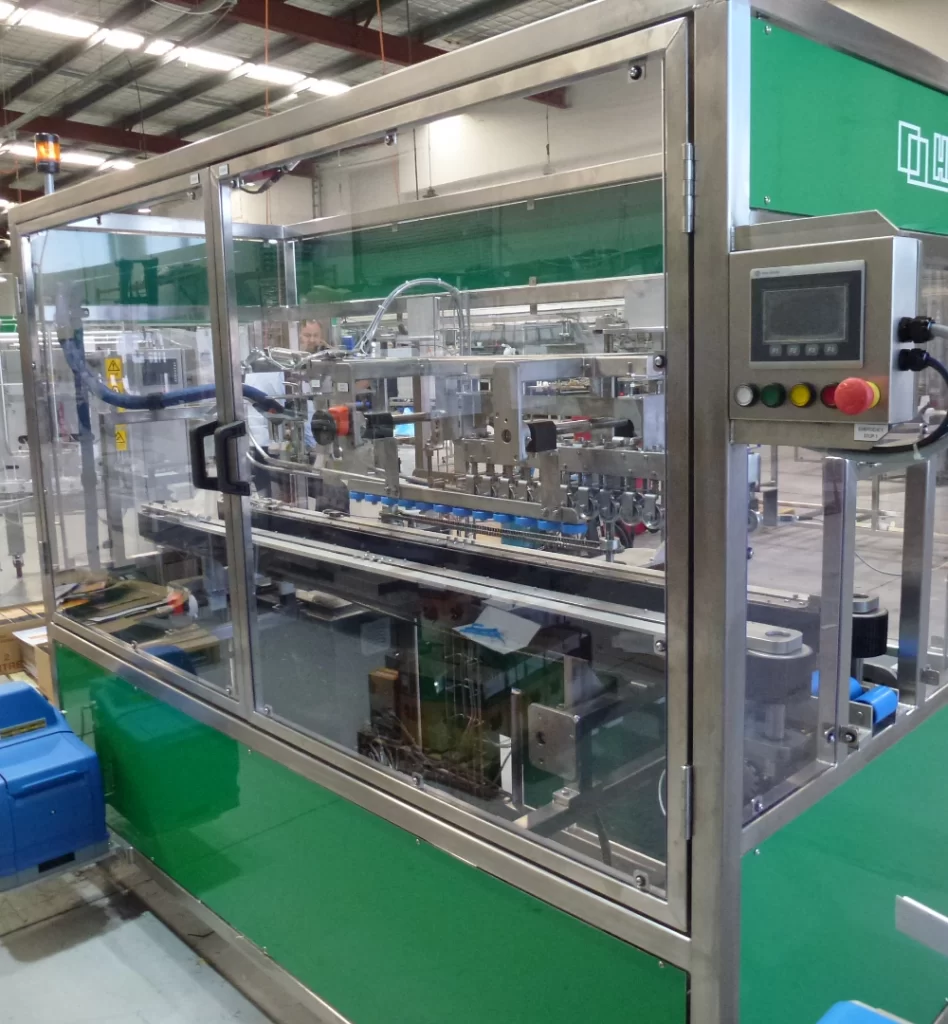
Your product is placed into the case exactly how you want it presented, then sealed and discharged.

Packing your cases

Placed with precision, sealed with certainty.

An RSC case packer erects a regular slotted container from a flat pre-glued blank, loads product into it — usually by robotic pick-and-place — and seals it, all in one integrated machine.

Blanks are drawn from the magazine and erected, bottom flaps folded and sealed, and the case indexed into position while the collation system forms the product into the required configuration.

Product is then placed rather than dropped, with the cycle repeating where the case needs multiple layers, before top flaps are folded, sealed and compressed.

RSC is the right platform when presentation inside the case matters, when the pack must be placed rather than wrapped, or when you’re staying with your existing carton supply.

  • Erects, loads and seals in one integrated machine, at up to 25 cases per minute
  • Top, side and end load are all configurations we build — loading orientation is a design choice, not a fixed feature
  • Robotic pick-and-place places product rather than dropping it, so fragile, flexible and shingled presentations all work
  • Multi-layer cases with layer pads or slip sheets between layers, and double-wall or export board where you need it
  • Hot melt or tape sealing, top and bottom, to suit your site standard

APPLICATIONS

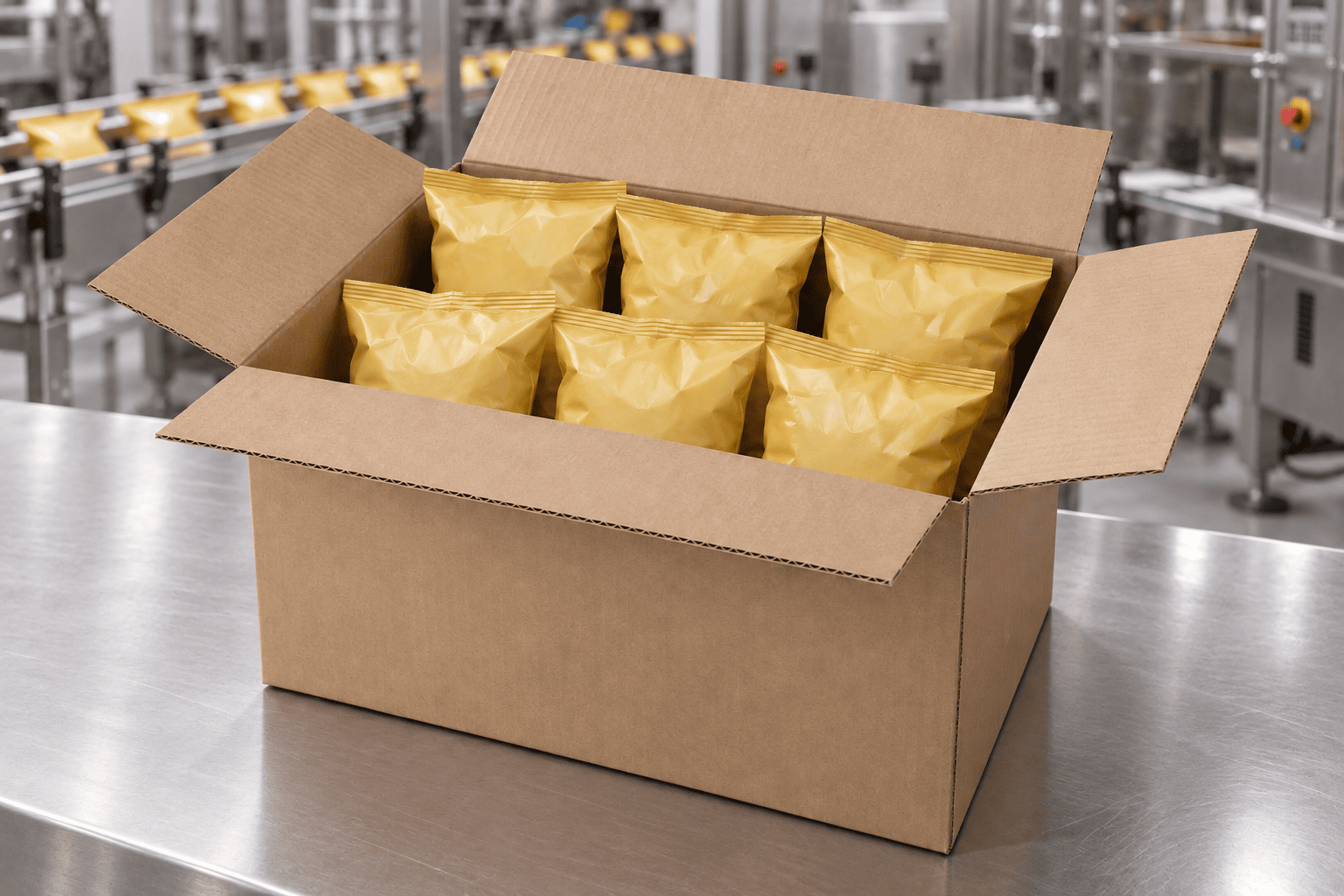
  • Open RSC case of sealed snack bags on a stainless bench beside a packaging line

    Flexible packs

    • Pouches & doypacks · retort pouches
    • Chub packs
    • Chip & vegetable chip bags
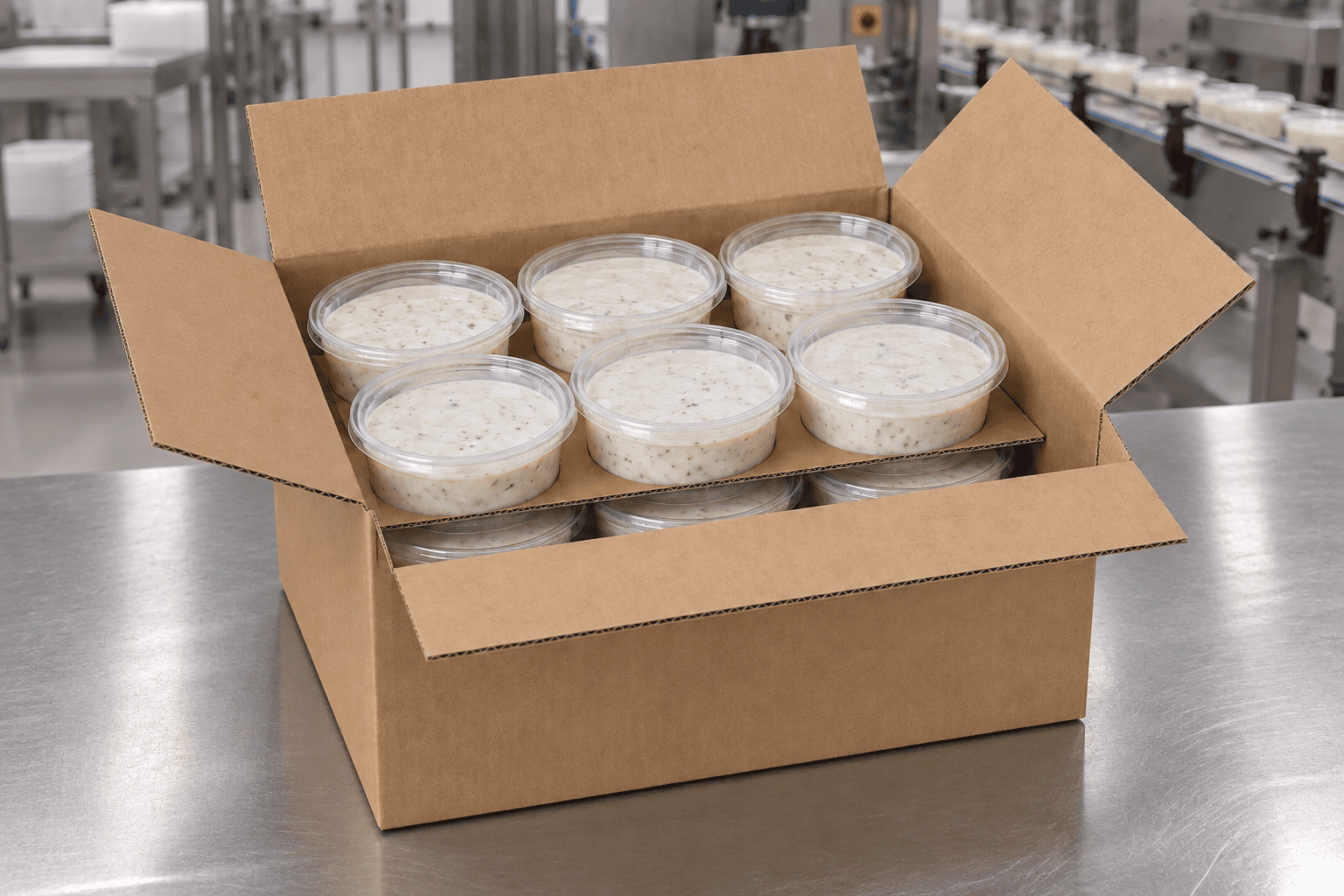
  • Open RSC case of lidded dip tubs in two layers in a chilled food plant

    Tubs, jars & bottles

    • Dip pots & honey tubs
    • Jars · bottles
    • Cosmetics
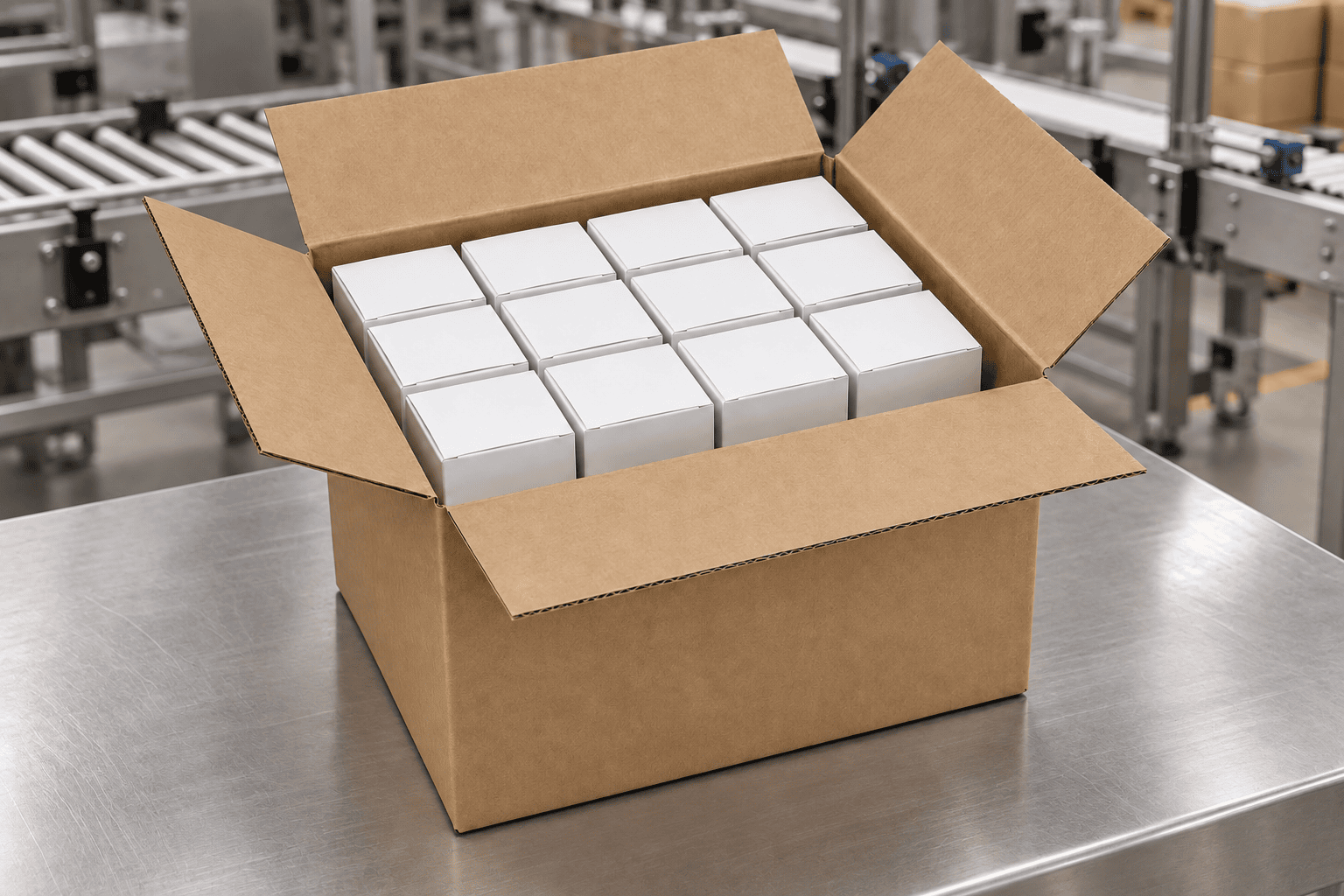
  • Open RSC case of white inner cartons packed in a grid on a stainless bench

    Cartons & dry foods

    • Inner cartons · bag-in-box
    • Muesli bar cartons · single-serve cereal
    • Noodles · biscuits & cakes
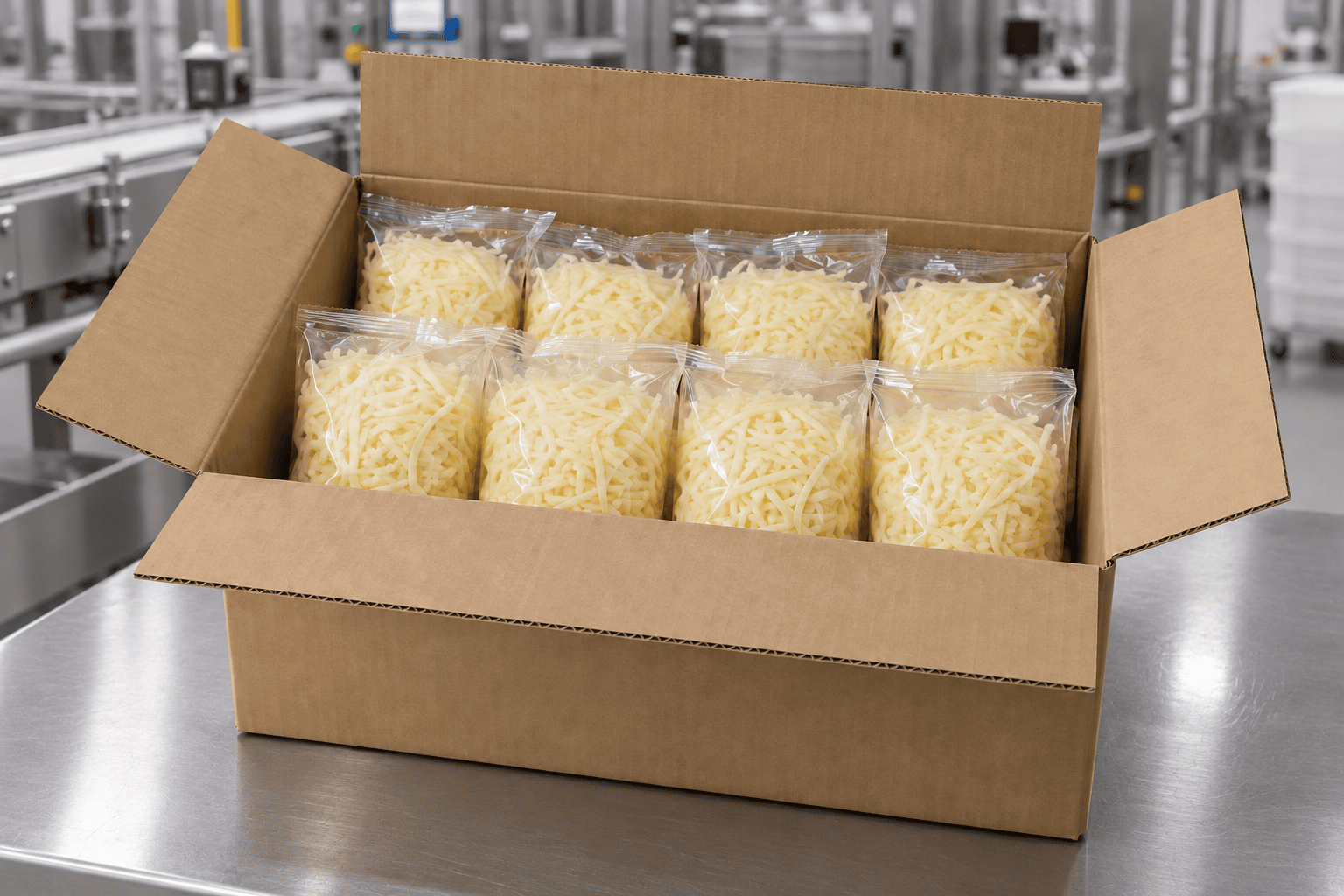
  • Open RSC case of sealed shredded cheese bags in a dairy plant

    Chilled & specialty

    • Bags of cheese
    • Poultry

What makes our solutions different

  • Award-winning expertise

  • Robust engineering

  • On-site & 24/7 remote support

  • Australian made

KEY STATS

Specification Standard
Typical output Up to 25 cases/min
Case size range Around 100 × 60 × 60 mm minimum to 1,000 × 600 × 500 mm maximum
Board E, B and C flute including recycled content, to AS3537; double-wall and export board built to order
Loading Top, side and end load; robotic pick-and-place, ABB standard, built to your site robot standard
Sealing Hot melt (Nordson) standard, or adhesive tape top and bottom
Magazine Around 150 cases on a standard erector, extendable to your required run time
Changeover Recipe-driven from the HMI, with tool-less change parts and robot end-of-arm tooling swap
Construction 304 stainless wipe-down frame, anodised aluminium chassis, nickel-plated chain, UHMWPE tracks, no continuous lubrication
Controls Allen Bradley CompactLogix / ControlLogix, PanelView, PowerFlex 525, SEW Eurodrive, IFM sensors
Power / air 415V AC 3-phase 50Hz + N + E, 32A · 6 bar, 350 L/min, 3 micron, 5°C dew point
Safety & standards Category 3 minimum · AS4024.1 guarding · AS3000 wiring · light curtain with documented bypass procedure

FAQ

What is a sleeving machine?

A sleeving machine applies a printed card sleeve around a tray, tub or pack, giving branding, closure and tamper indication without a fully enclosing carton. Pre-glued sleevers erect a supplied glued tube and push the product through; wrap-around sleevers fold a flat blank around the product and glue it.

How fast is a sleeving machine?

HMPS pre-glued sleevers run up to 80 packs per minute, and up to 120 on some builds. Wrap-around sleevers reach up to 150 packs per minute. Actual rate depends on pack size, sleeve design and how the product arrives at the machine.

Can one machine do both pre-glued and wrap-around sleeves?

No. A wrap-around sleever is designed for full flat cardboard blanks and will not run pre-glued or plastic sleeves. If you need both formats, specify that at concept stage so we design for it.

What board do sleeves need to be?

High-quality chip board with pre-broken score lines, correctly packaged and stored to prevent warping. Warped sleeves are the single most common cause of sleever inefficiency, so this is worth settling with your board supplier before you buy a machine.

Can a sleever handle multiple sleeve sizes?

Yes. We design machines to run multiple SKUs with a quick changeover, with size-specific magazines as change parts. Tell us your full sleeve size range rather than your largest — the range is what drives the design.

Can it run in a cool room?

Yes. We’ve built for 4–10°C at 50–70% relative humidity on dry-clean-only regimes, and for damp cold-room environments. Washdown builds use IP66 motors, gearboxes and electrical components with 304 stainless and anodised aluminium construction.

Can you sleeve and carton in one machine?

Yes. We build a cell that singulates, sleeves and cartons, replacing two machines and a transfer conveyor with one footprint, one control system, one changeover and one set of spares.

Can you print or code onto the sleeve?

Yes. Small-character inkjet with under two seconds dry time is the usual approach. Where a substrate is unusual we run ink trials on your actual material before committing.

Will it handle a metallic or high-gloss sleeve?

Yes, with validation. For any non-standard substrate we bring the adhesive manufacturer in, run glue and temperature trials on your actual board, and get a written recommendation before the design is locked — which takes adhesion off the risk register.

Scroll to Top