Cartoning
Your carton is erected, loaded and closed in one pass, with the product checked in before it seals.
Cartoning your product
Erected, loaded, checked and closed in one pass.
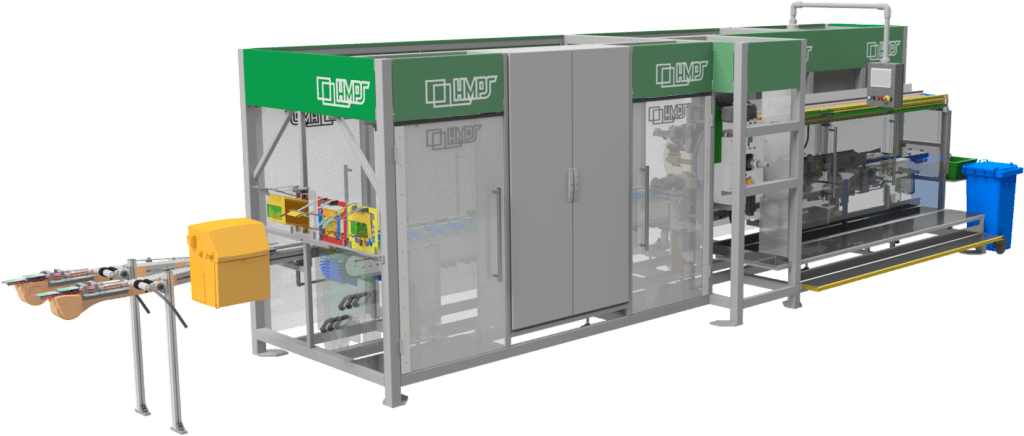
A cartoner erects a flat carton blank, loads product into it and closes it.
End-load machines push product in horizontally through the open end and reach the highest rates, which suits rigid product and a retail carton finish.
Top-load machines drop or place product down into an open carton, which suits jumbled or bulk-dumped product, fragile items, and product arriving from several lines that needs collating above the carton.
Semi-automatic machines pair a hot-melt erector and top sealer with manual loading for low volume and high SKU counts, and can be retrofitted to automatic loading later.
Because we build all four, we’ll tell you which one your product wants rather than which one we’d prefer to sell.
-
End load, top load, semi-automatic and robotic pick-and-place, all built in Australia, up to 200 cartons per minute on high-speed horizontal platforms
-
No-product-no-carton and no-carton-no-load are standard features, not options
-
Leaflet and pamphlet insertion with presence confirmation, including on UV-coated leaflets
-
Built for pharmaceutical and GMP work — documentation written to support IQ/OQ, 21 CFR Part 11 compliant coding, serialisation and tamper-evident sealing
-
Automatic adjustment points priced individually, so you buy exactly as much changeover speed as your SKU mix justifies
APPLICATIONS
-
Sachets, bags & pouches
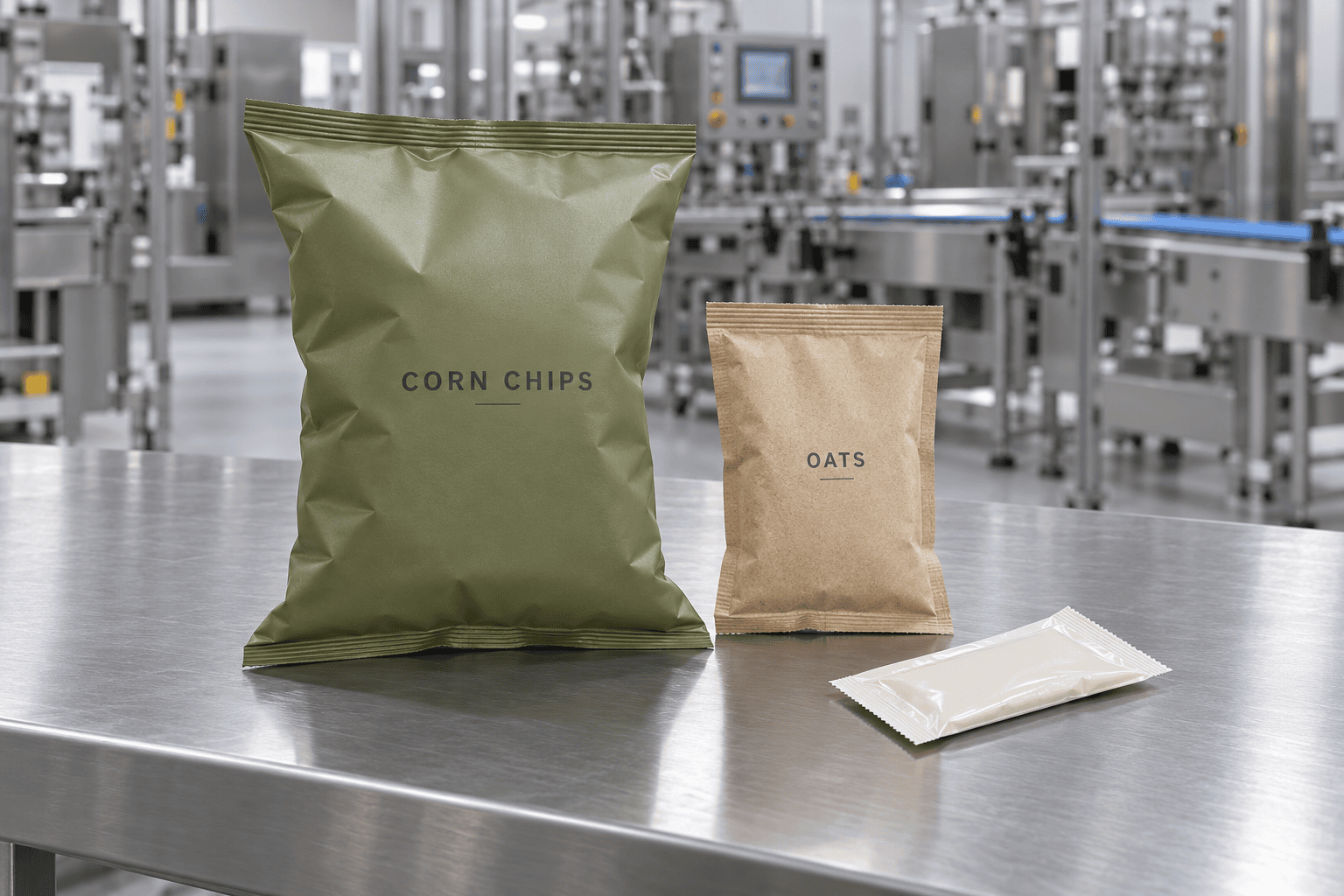
- Yeast · oats · sauce portions
- Drink powders
- Chips · popcorn · snacks
-
Chilled & frozen foods
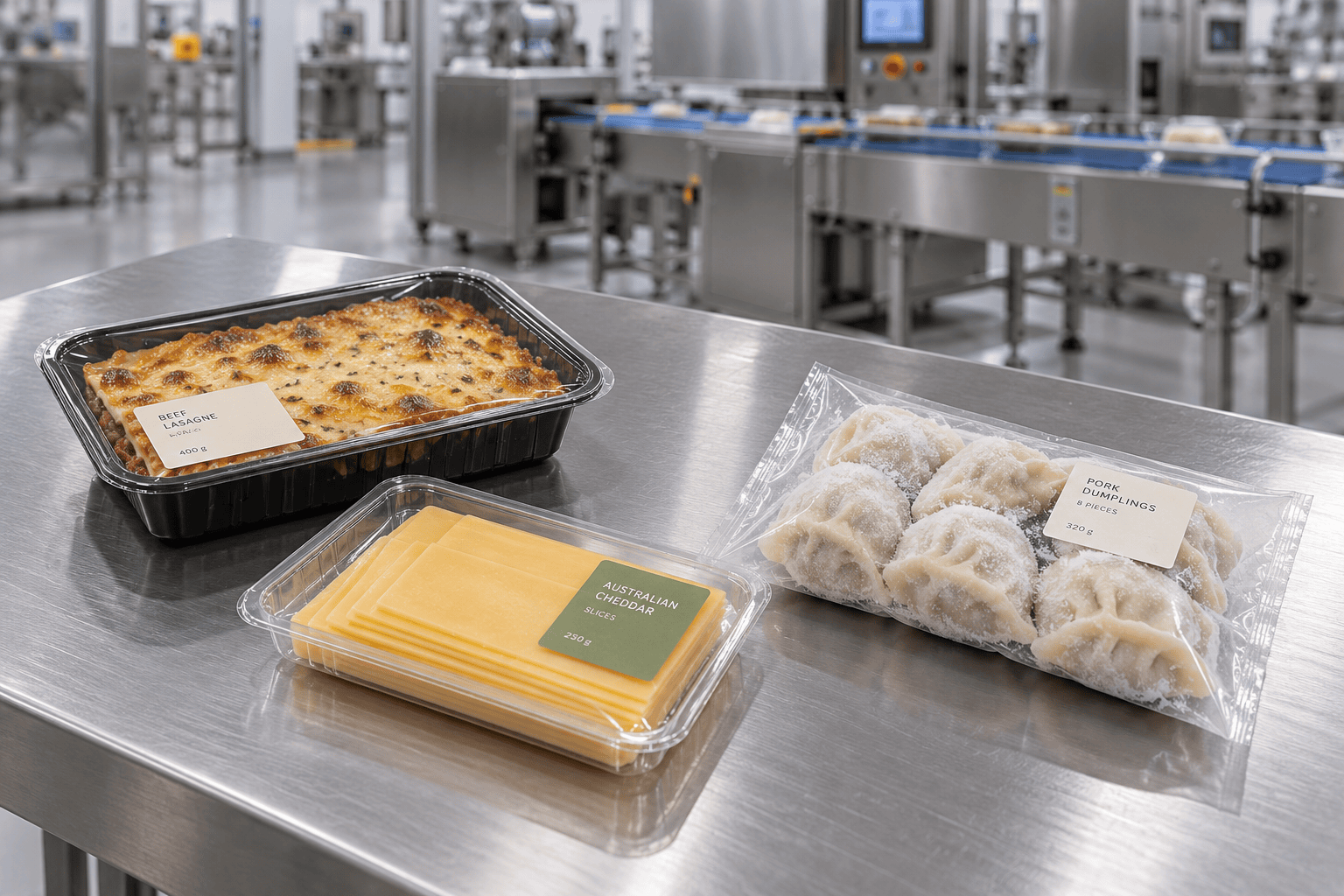
- Ready meals · pizza · dumplings
- Cheese trays
- Portioned meat products
-

Bottles, tubes & personal care
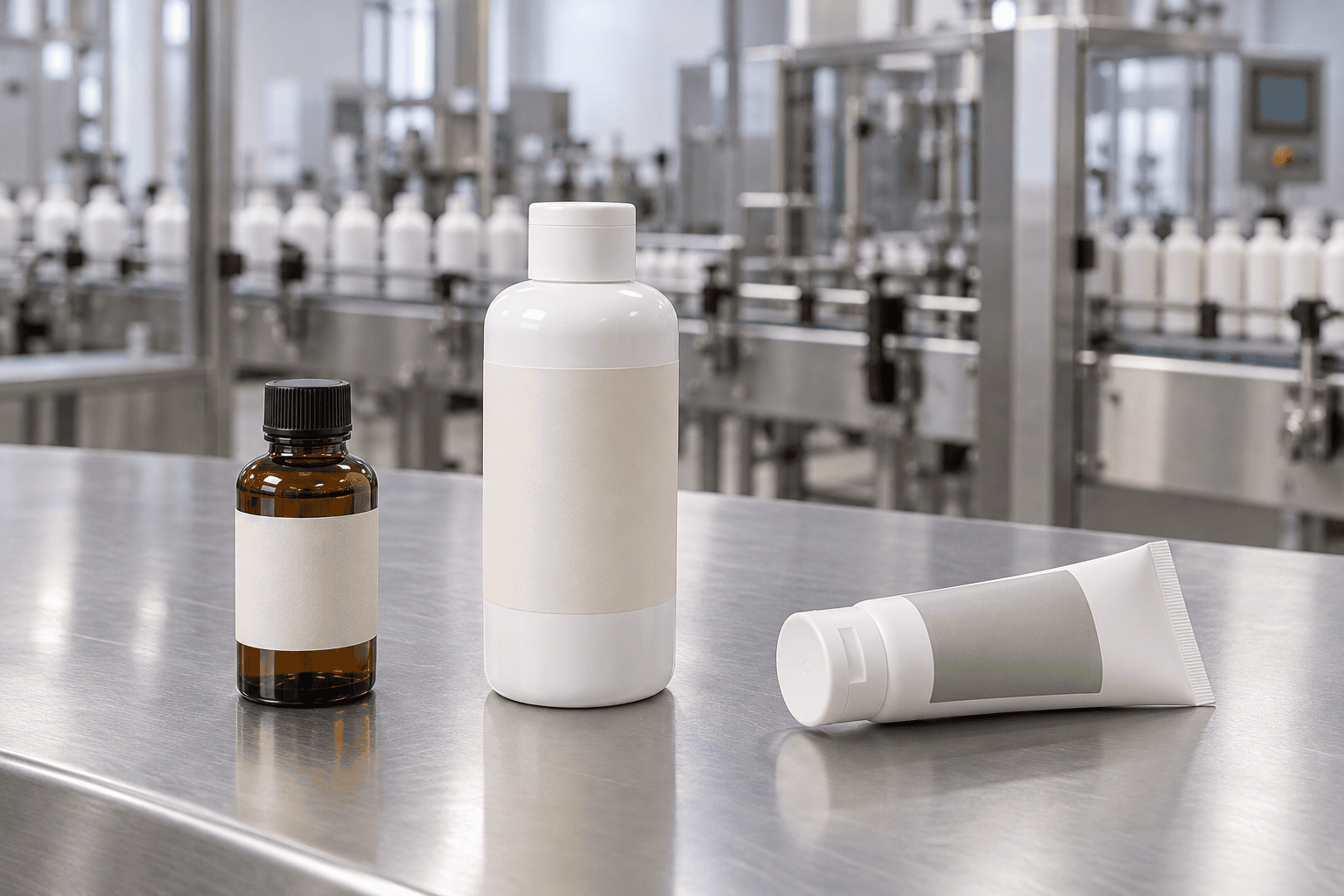
- Glass & plastic bottles, 60–500 ml
- Tubes · cosmetics
- Aerosol cans
-
Pharmaceutical & specialty packs
- Blister cards
- Ampoules & vials
- Condoms & small sealed packs
What makes our solutions different
-

Award-winning expertise
-

Robust engineering
-

On-site & 24/7 remote support
-

Australian made
KEY STATS
| Specification | End load | Top load |
|---|---|---|
| Typical output | Up to 60 cartons/min on HMPS builds, up to 200 on high-speed horizontal platforms | Up to 50 cartons/min |
| Carton size range | Around 50 × 19 × 102 mm minimum to 340 × 100 × 380 mm maximum across platforms | As end load |
| Carton styles | Full overlapping flap, RSC, reverse tuck end, straight tuck, side-seamed glued skillet | Tray, four-corner tray, RSC, crash-erect shelf-ready |
| Loading | Servo push through the open end | Drop, place or robotic pick-and-place from above |
| Closure | Rotary tucker blades, static folding ploughs, one line of hot melt each end | Bottom flaps glued before release, top flaps glued after |
| Changeover | 15–20 minutes fully manual, toward 10 minutes with automated adjustment points | As end load |
| Construction | 304 stainless and engineering plastics, polycarbonate guarding, basic hygiene areas with washdown upgrade available | As end load |
| Controls | Allen Bradley CompactLogix (ControlLogix with delta robot), PanelView Plus, PowerFlex 525, AB servos, SEW Eurodrive | As end load |
| Power / air | 415V AC 3-phase 50Hz + N + E, 20–32A · 6 bar, 350 L/min clean dry air | As end load |
| Safety & standards | Category 3 minimum, Category 4 compressed air · AS4024 guarding · AS3000 wiring | As end load |
| Design life | 24-hour operation, serviceable life in excess of 15 years | As end load |
All stats are subject to product and environment and may look different to what is listed above
LATEST CARTONING
FAQ
What’s the difference between an end-load and a top-load cartoner?
An end-load cartoner pushes product horizontally through the open end of the carton. A top-load cartoner drops or places product vertically into an open carton. End load reaches higher rates and suits rigid product; top load suits jumbled, bulk-dumped, fragile or multi-line product.
How fast can a cartoner run?
Up to 60 cartons per minute on our own end-load builds and up to 50 on robotic top-load, with high-speed horizontal platforms we integrate reaching up to 200. The determining variables are carton style, products per carton and loading method.
What carton sizes can you handle?
From around 50 × 19 × 102 mm on a small-format high-speed platform up to 340 × 100 × 380 mm on our own machines, with extended ranges available. Because machines are purpose-built, the size range you need matters more than your largest carton.
Can a cartoner insert a leaflet or pamphlet?
Yes. We fit leaflet and pamphlet feeders with bypass mode, around 20 minutes of magazine capacity, a low-level warning ahead of empty, and leaflet presence confirmation including for UV-coated leaflets. It’s recipe-selectable, so leaflets can be batch-dependent.
Does the machine detect a missing product or missing carton?
Yes, as standard. No product, no carton erected; no carton, product load skipped. Bottle presence, fallen bottle, leaflet presence and seal failure detection with automatic reject are all available on top.
Are HMPS cartoners suitable for pharmaceutical production?
Yes. We build for human and veterinary medicines and healthcare, with documentation and FAT/SAT protocols written to support installation qualification, operational qualification and process validation, plus 21 CFR Part 11 compliant coding, serialisation and tamper-evident sealing.
How long does a carton size changeover take?
15–20 minutes on a fully manual-adjust machine, and 20–25 minutes for one operator on a robotic-loader build. Adding automated adjustment points brings it toward 10 minutes, and those points are priced individually so you buy only what your SKU mix justifies.
Can a cartoner run shelf-ready packaging?
Yes — full overlap flap with perforated tear-off lid, crash-erect shelf-ready, and shelf-ready wrap-around shippers accepted by the major Australian retailers, with the erect-fold-seal sequence engineered so perforations aren’t damaged.
Do you build semi-automatic cartoners?
Yes. For low volume or a high SKU count we build a hot-melt erector, manual load and hot-melt top sealer at up to 15 cartons per minute, optionally on castors, and retrofittable to automatic loading later — so you can automate in stages.
Can I change my carton design to suit the machine?
Usually you’ll need to. Moving from a crash-lock bottom with push-in tabs to automation generally means a top-and-bottom glue seal. That’s a board conversation worth having at quote stage with your supplier in the room, rather than at Factory Acceptance Test.


